


If you have been staring at your open laptop at midnight, feeling a heavy, crushing wave of guilt because you spent the last four hours scrolling your phone instead of finishing that one simple task, let me stop you right there. You are not lazy. You are not undisciplined, and you do not need another harsh lecture on productivity.
You are operating on the absolute fumes of an exhausted nervous system. In our relentless 2026 work culture, we have normalized running ourselves into the ground until our minds literally force us to shut down. It is time to stop blaming yourself and learn how to truly recover.
Burnout Is Not a Mindset Problem
The corporate world loves to push the toxic myth that burnout is merely a temporary dip in motivation that can be cured by "pushing through it" or adopting a positive mindset. This is scientifically and medically incorrect. The World Health Organization officially recognizes burnout as an occupational phenomenon resulting from chronic workplace stress that has not been successfully managed. It is a profound physiological depletion of your mind and body.
When you are burned out, your brain's prefrontal cortex—the area responsible for executive functioning, decision-making, and emotional regulation—is structurally compromised by constant floods of cortisol. You cannot simply hustle your way out of a biological deficit. Treating burnout like a mindset problem is like trying to drive a car with an empty petrol tank by pressing the accelerator harder; it only damages the engine.
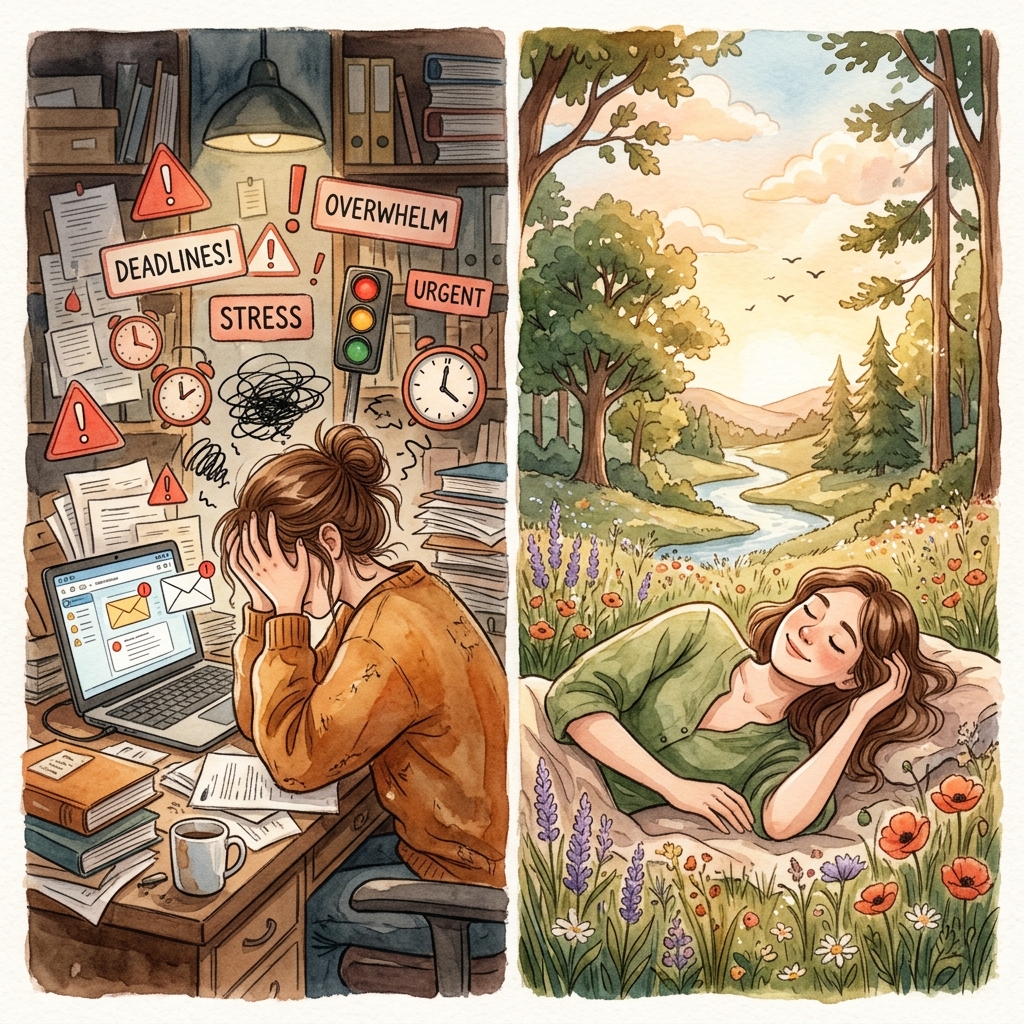
The 5 Real Signs You Are Burned Out (Not Just Tired)
How do you know if you are dealing with genuine burnout rather than everyday exhaustion? Here are the five definitive signs that your nervous system is waving a massive red flag.
1. You Feel Nothing About Things You Used to Love
Activities that used to bring you immense joy—whether it's playing a sport, reading a book, or cooking your favorite meal—now feel like exhausting chores. This profound emotional blunting is your brain's emergency attempt to conserve dwindling energy.
2. Small Tasks Feel Impossible
Answering a two-line email or washing a single coffee mug suddenly feels like climbing Mount Everest. When basic administrative tasks trigger intense overwhelm and paralysis, you are experiencing classic executive dysfunction born of severe burnout.
3. You Are Tired Even After 8 Hours of Sleep
You wake up after eight solid hours of rest feeling just as drained and heavy as when your head hit the pillow. This happens because sleep alone cannot cure a profound deficit of mental, emotional, and sensory rest.
4. You Are Emotionally Numb or Easily Snapping
You find yourself oscillating between feeling completely detached during important meetings and snapping aggressively at your loved ones over minor inconveniences. Your emotional buffer is completely gone, leaving your nervous system raw and reactive.
5. Your Body Is Reacting
Burnout manifests physically through unexplained tension headaches, chronic lower back pain, persistent jaw clenching, and catching every passing cold or flu. When you refuse to listen to your mind's whispers, your body is forced to scream.
What Actually Helps (And What Doesn't)
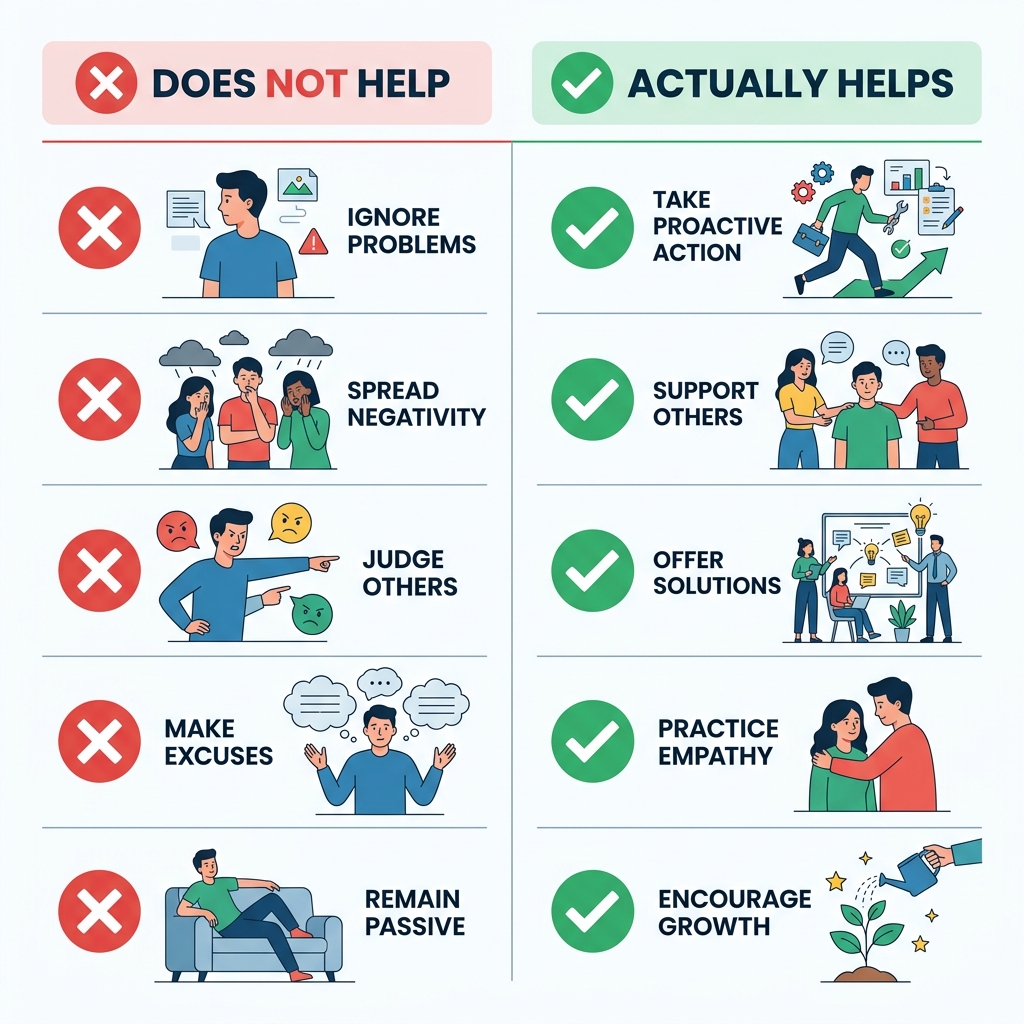
When we hit rock bottom, our immediate panic response is often to search online for quick productivity hacks or download new routine apps. This is the absolute worst thing you can do. Let's establish what actually moves the needle versus what deepens the damage.
What Does NOT Help: Drinking more espresso to force alertness, implementing aggressive 5 AM morning routines, berating yourself with guilt, or Googling "how to be more disciplined." These tactics only dump more stress onto a nervous system that is already screaming for relief.
What DOES Help: Ruthless single-tasking, establishing non-negotiable digital detox windows where your phone is powered off, prioritizing raw sensory rest in silence, and normalizing saying "no" to non-essential requests. True recovery requires giving your nervous system permission to exist without producing anything.
A 7-Day Gentle Recovery Plan
If you want to pull yourself out of the depths of burnout, you must abandon the idea of a rigorous productivity schedule. Here is a gentle, low-pressure 7-day roadmap designed to restore your baseline calm.
Day 1: Sleep 30 Minutes More. Do not set an alarm if possible, or go to bed thirty minutes earlier than usual. Give your physical body the raw repair time it desperately craves.
Day 2: Turn Off Notifications for 2 Hours. Mute your work chat apps, put your phone in another room, and experience the profound relief of not being reachable by anyone.
Day 3: Eat One Meal in Complete Silence. Put away your laptop, lock your phone screen, and eat your lunch or dinner without consuming digital content simultaneously.
Day 4: Cancel One Non-Essential Commitment. Look at your calendar and politely decline one meeting, social gathering, or optional task that fills you with dread.
Day 5: Spend 20 Minutes Outside in Nature. Sit on a park bench, take a slow stroll without headphones, and let natural sunlight reset your circadian rhythms.
Day 6: Do a Braindump of Your Worries. Take a blank sheet of paper and write down every single anxious thought swirling in your head to get them out of your body.
Day 7: Practice Radical Self-Forgiveness. Acknowledge that you are doing the best you can in a highly stressful world. Release the guilt of needing rest.
When to Talk to Someone
It is entirely okay to admit that you cannot navigate severe burnout entirely on your own. Seeking professional support is a profound act of courage, not a sign of weakness. If your burnout begins blurring into deep depression or persistent hopelessness, reach out to trusted mental health resources immediately.
Fantastic platforms across India such as iCall, the Vandrevala Foundation helpline, and verified online therapy apps provide compassionate, confidential support tailored for working professionals. You do not have to carry this heavy weight in isolation.
Remember, recovery is not a linear finish line; it is a gentle daily commitment to honoring your boundaries. Read more wellness guides on incalw.me — written for real people, not productivity machines.
Frequently Asked Questions
How long does burnout recovery take?
Recovery timelines vary based on the severity of the exhaustion, ranging from a few weeks of intentional rest to several months of deep lifestyle adjustments. Patience and consistency are key to restoring your nervous system.
Can I recover from burnout without quitting my job?
Yes, provided you establish firm boundaries around your working hours, practice strict single-tasking, and disconnect completely during evenings and weekends to allow your mind to detach.
Is burnout the same as depression?
While they share similar symptoms like profound lethargy and loss of interest, burnout is specifically rooted in chronic occupational stress, whereas depression is a broader clinical condition impacting all areas of life.