
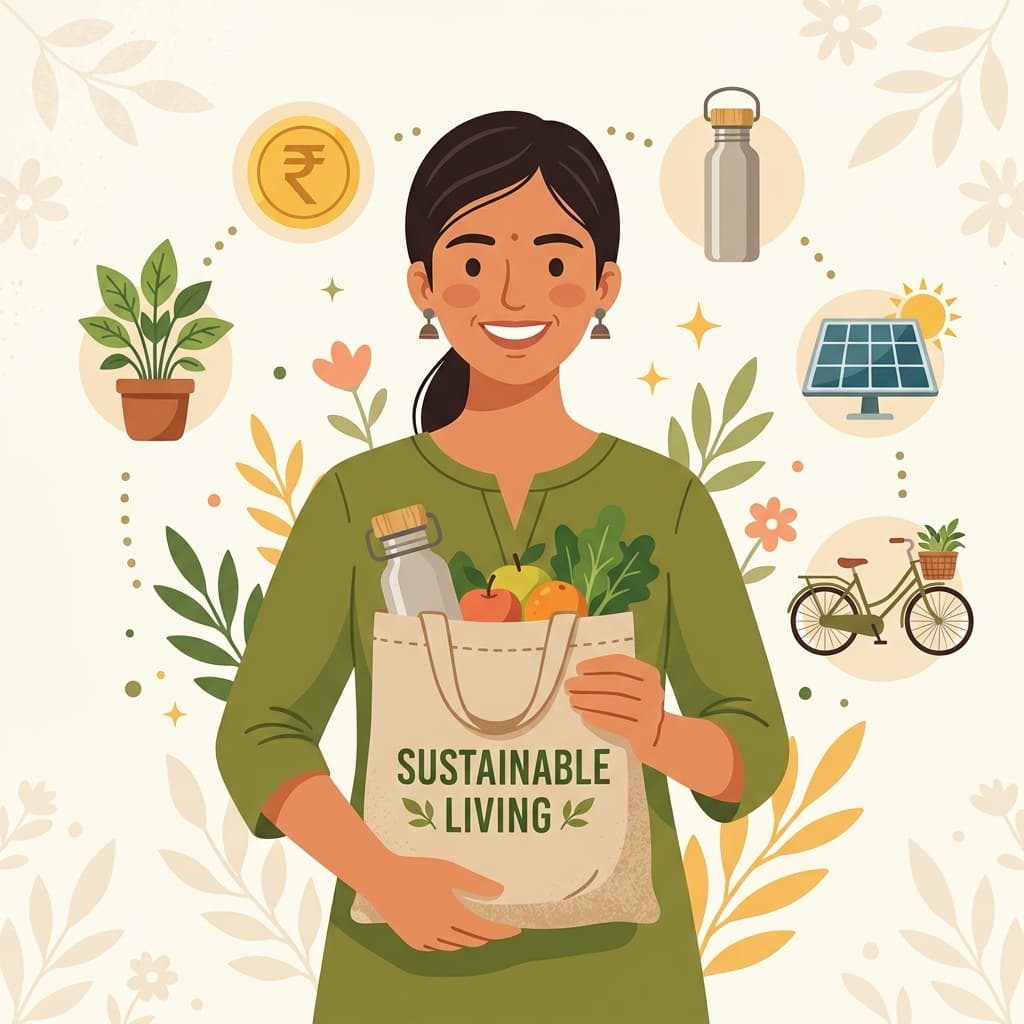

Last month, I sat down amidst a mountain of plastic delivery packaging and looked at my monthly credit card statement with pure, unadulterated awe. I wasn't just burning through my hard-earned salary; I was personally funding a minor environmental crisis right from my living room. We often assume that living sustainably is an expensive luxury reserved for organic hipsters, but the truth is exactly the opposite.
True sustainability is rooted in traditional Indian frugality—using what you have, eliminating waste, and making smart, mindful choices. By treating eco-friendly living as an exciting financial experiment rather than a gloomy sacrifice, I managed to slash my monthly expenses by ₹8,000 while drastically reducing my household carbon footprint.
Why I Tried This Experiment
With 2026 inflation pushing up the prices of basic household groceries and utility bills, I realized I needed a systematic way to cut costs without stripping all the joy out of my daily routine. I refused to adopt a lifestyle of bitter deprivation where I couldn't enjoy my evenings.
I set a simple ground rule: every single lifestyle swap had to either save me money, reduce single-use plastic waste, or ideally accomplish both simultaneously. What began as a thirty-day personal challenge quickly transformed into a permanent, highly rewarding way of living.
The 30 Tiny Swaps That Transformed My Budget
Here are the thirty effortless adjustments I made across my daily routine, categorized for easy adoption. Pick a few to try this week!
Category 1: Kitchen & Food
1. Switched from bottled water to a robust water filter: Eliminating daily plastic water bottle purchases instantly saved ₹500 a month while stopping dozens of plastic bottles from entering landfills.
2. Stopped buying single-use paper napkins: Investing in a set of washable, reusable cotton cloth napkins eliminated a recurring supermarket expense permanently.
3. Started weekly meal prepping instead of ordering out: Dedicating Sunday afternoons to cooking large batch meals stopped late-night emergency Swiggy orders completely.
4. Switched exclusively to local, seasonal vegetables: Buying fresh produce from local neighborhood vendors instead of imported supermarket packages cut my vegetable bill by 30%.
5. Began bulk-buying dal and rice from local kirana shops: Bringing my own large cloth bags to buy unbranded staples in bulk eliminated unnecessary plastic packaging premiums.
6. Used a traditional pressure cooker instead of open pots: Pressure cooking dal and vegetables drastically reduced my cooking gas consumption and sped up dinner prep.

Category 2: Home & Energy
7. Switched all remaining lights to energy-efficient LEDs: Replacing legacy bulbs with premium LED fixtures immediately brought down my monthly electricity unit consumption.
8. Unplugged chargers and appliances when not in use: Stopping standby power leaks from microwave clocks and idle laptop chargers trimmed unnecessary power draw.
9. Used the ceiling fan instead of the AC for two extra hours: Delaying switching on the heavy air conditioner during mild evenings resulted in massive electricity bill savings.
10. Switched to natural cleaning solutions: Cleaning kitchen surfaces with simple white vinegar and baking soda replaced three expensive chemical cleaning sprays.
11. Switched off the bathroom geyser ten minutes earlier: Turning off the heavy water heater immediately before showering stopped immense electricity wastage.
12. Started air-drying clothes on a drying rack: Letting clothes dry naturally in the warm Indian breeze instead of running power-hungry drying cycles saved significant energy.
Category 3: Shopping & Lifestyle
13. Implemented a strict 30-day waiting rule before buying non-essentials: Forcing a cooling-off period before purchasing items stopped 80% of my impulsive online spending.
14. Started buying second-hand goods on OLX and thrift stores: Purchasing pre-loved furniture and books saved thousands of rupees while extending product lifecycles.
15. Cancelled two unused OTT streaming subscriptions: Eliminating redundant digital entertainment services put an instant ₹1,000 back into my account every month.
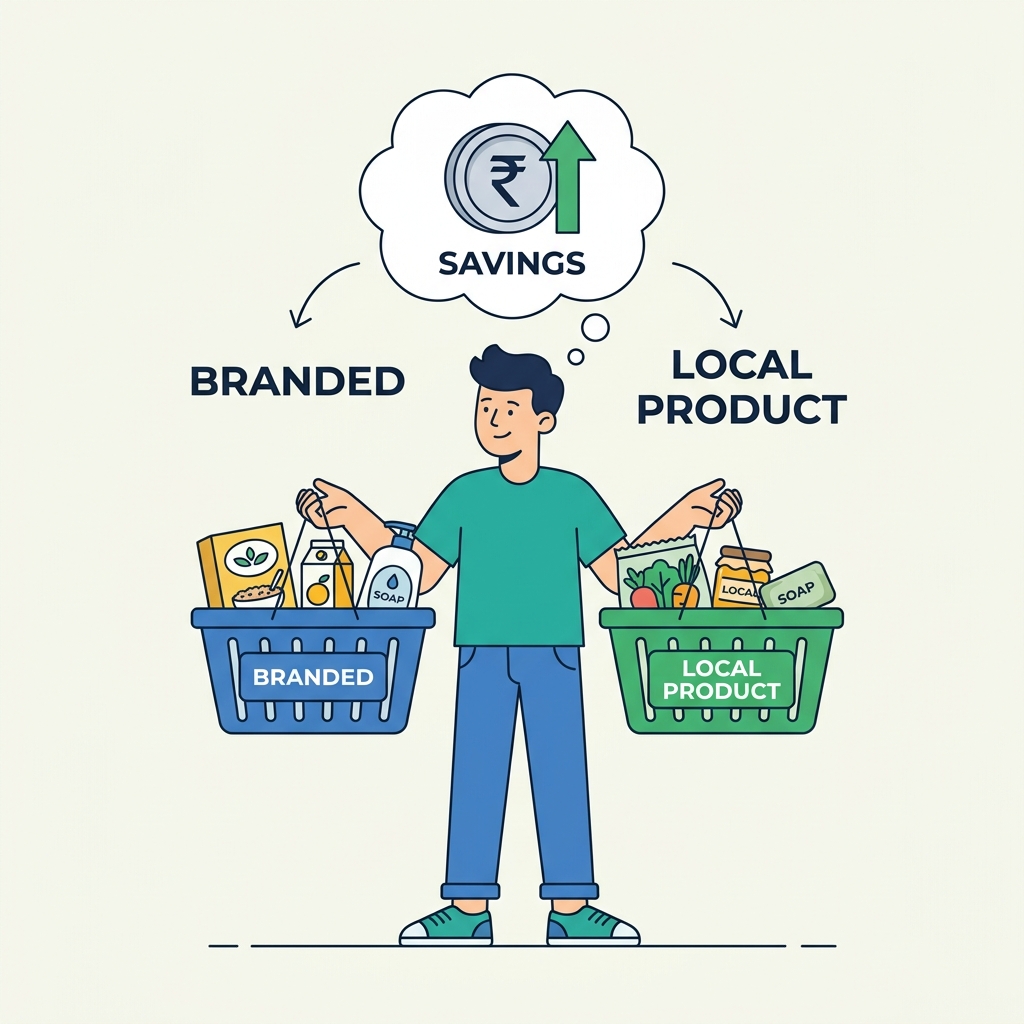
16. Switched to generic local brands for household supplies: Buying unbranded phenyl and dishwashing liquids instead of heavily marketed brands delivered identical cleaning results for half the price.
17. Stopped buying single-use plastic shopping bags entirely: Keeping sturdy cloth totes permanently in my backpack ensured I never paid for store carrier bags again.
18. Embraced repairing items before replacing them: Taking worn-out shoes to the local cobbler instead of throwing them away extended their lifespan beautifully for just ₹100.
Category 4: Transport & Daily Commute
19. Started carpooling with office colleagues once a week: Sharing the driving commute reduced daily stress, saved fuel money, and cut traffic emissions directly.
20. Switched to cycling for local neighborhood errands under 3km: Using a bicycle to buy evening groceries provided excellent free exercise while saving petrol.
21. Used the city metro instead of Ola or Uber three times a week: Skipping expensive peak surge pricing by taking the efficient metro saved over ₹1,500 monthly.
22. Consolidated weekend errands into a single efficient trip: Planning optimal driving routes before leaving the house minimized unnecessary fuel burning across town.
23. Started walking fifteen minutes instead of taking short auto rides: Enjoying a brisk evening walk from the station saved daily auto fares while boosting daily step counts.
24. Maintained proper tire pressure on my vehicle: Keeping my two-wheeler tires perfectly inflated optimized fuel efficiency and extended tire lifespans.
Category 5: Digital & Subscriptions
25. Shared family OTT streaming plans legally with relatives: Splitting premium subscription tiers among family members reduced individual monthly costs to a fraction.
26. Switched to free Spotify tiers and offline music downloads: Enjoying offline playlists instead of paying premium monthly streaming fees saved consistent cash.
27. Used the Google Drive free tier instead of paid cloud storage: Regularly cleaning up old large email attachments avoided expensive cloud storage upgrade subscriptions.
28. Embraced brilliant free open-source productivity software: Utilizing robust free office tools instead of recurring premium commercial licenses saved immense annual overhead.
29. Downloaded offline navigation maps to reduce cellular data usage: Pre-loading maps on home Wi-Fi saved daily mobile data consumption during road commutes.
30. Switched my cellular plan from an expensive postpaid bill to a smart prepaid yearly pack: Moving to a value-packed prepaid annual bundle locked in massive telecommunication savings.
What Actually Changed After 3 Months
After ninety days of sticking to these simple adjustments, the financial impact was absolutely staggering. Here is the exact breakdown of my monthly savings across the five core categories:
- Kitchen & Food: ₹1,800 saved per month
- Home & Energy: ₹1,200 saved per month
- Shopping & Lifestyle: ₹2,500 saved per month
- Transport & Daily Commute: ₹1,500 saved per month
- Digital & Subscriptions: ₹1,000 saved per month
- TOTAL MONTHLY SAVINGS: ~₹8,000 / month
Saving roughly ₹8,000 every single month translates to an extra ₹96,000 retained annually—nearly a full lakh of rupees saved simply by eliminating mindless waste.
Not all thirty swaps will fit perfectly into everyone's daily routine, and that is completely fine. Pick five easy adjustments today and start there. The point is steady direction, not stressful perfection. Try these swaps and come back to tell us which ones worked — comment below or share on social!
Frequently Asked Questions
Is eco-friendly living expensive in India?
No, provided you focus on traditional Indian frugality like using steel containers, buying local unbranded staples, and conserving electricity rather than purchasing expensive premium organic niche brands.
Where can I buy sustainable products in India affordably?
Your local neighborhood kirana store, traditional hardware markets, and local pottery vendors are the best and most affordable places to buy cloth bags, steel utensils, and natural cleaning staples.
How much can a family of 4 realistically save with these swaps?
A typical family of four can easily save between ₹12,000 and ₹15,000 a month by consolidating digital family plans, bulk-buying local kitchen staples, and optimizing household electricity consumption.