
The biggest shift in Search has officially begun
For almost 25 years, Google Search worked in a simple way.
You typed.
Google showed links.
You clicked.
That model built the modern internet.
But in 2026, that system is changing faster than ever.
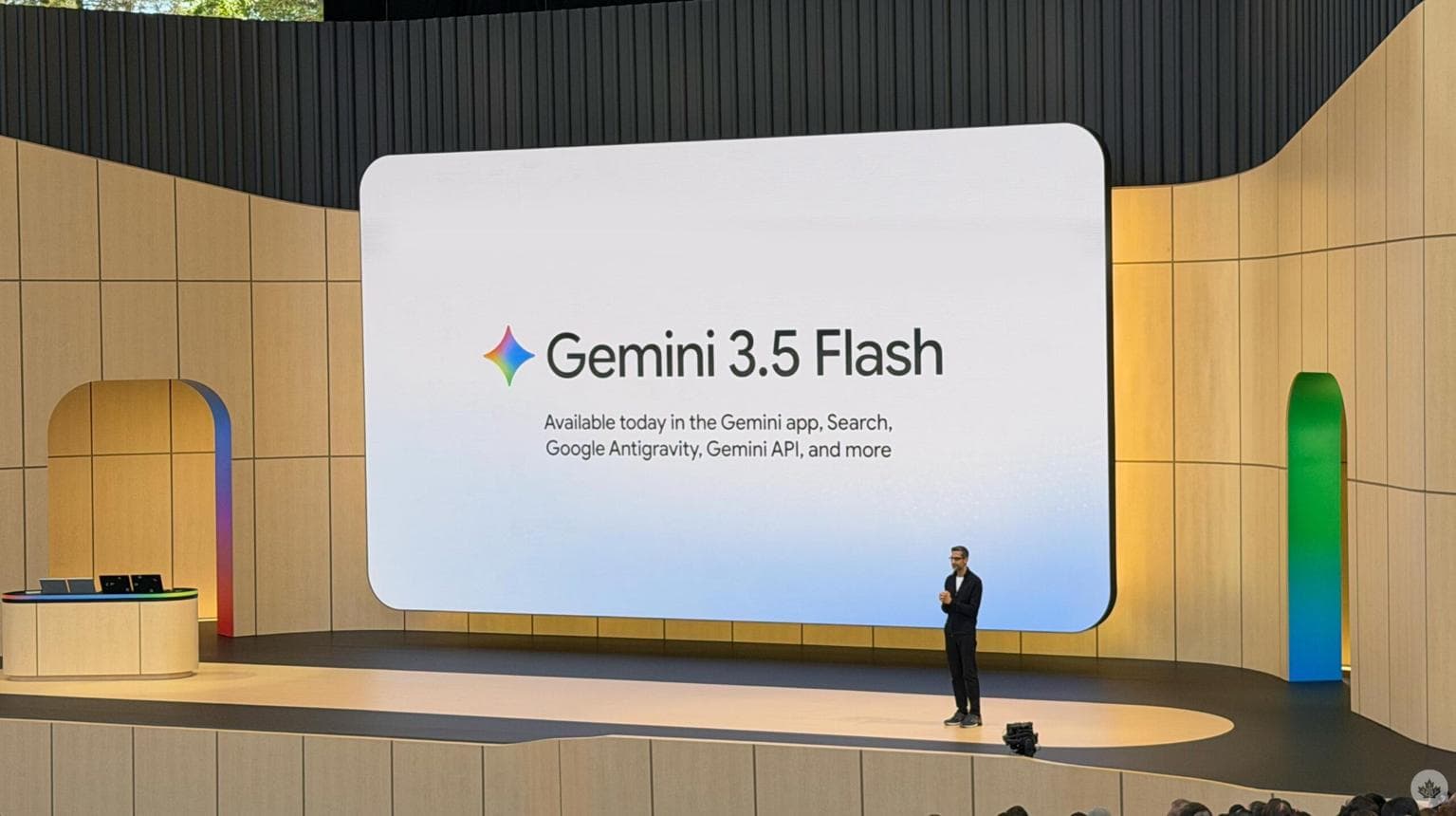
At Google’s latest I/O event, the company announced what many experts are calling the biggest Search transformation in decades: AI Mode powered by Gemini 3.5 Flash is now rolling out globally. This means Google is no longer acting like a search engine alone—it’s becoming an intelligent answer engine.
This is not a small update.
This changes how billions of people find websites, read articles, shop online, research topics, and discover creators.
And if you own a website, blog, or online business…
this changes everything.
What exactly changed?
Google introduced Gemini 3.5 Flash as the new default engine behind AI Mode.

5
Unlike older search systems that mainly matched keywords, Gemini 3.5 Flash understands:
context
deeper intent
follow-up questions
files
screenshots
videos
long-form queries
Google confirmed this at I/O 2026, calling it the biggest Search redesign in over 25 years.
That means:
Before:
"Best phone under $500"
Now:
"I’m a student, need strong battery, good camera, gaming, and long-term use under $500"
Google now understands the second better.
That’s huge.
Because the future of search is not keywords.
It’s intent.
Search is becoming conversational
Think about how people use AI today.

They ask:
Which laptop should I buy?
Why is my skin dry?
How can I earn online?
What career is best for me?
These are not keyword searches.
These are conversations.
Google knows this.
That’s why AI Mode now lets users have multi-step conversations directly inside Search.
Example:
User asks:
"Best DSLR camera?"
Then:
"Which one is better for YouTube?"
Then:
"Compare battery life and autofocus."
This creates something new:
Search sessions instead of search queries.
And this changes website traffic patterns forever.
What happens to websites now?
This is the question every publisher should ask.
Because if Google answers directly…
will people still click?
The answer is yes—but only for strong content.
Google has introduced systems like:
Preferred Sources
Highly Cited labels
Original reporting prioritization
This means Google wants better sources—not more sources.
That’s critical.
Low-quality AI-written articles are at risk.
Real human insight becomes more valuable.

6
This creates a new rule:
Average content dies first.
Strong content wins harder.
Why Google Discover matters even more now
Google Discover works differently.
People don’t search.
Google pushes content to them.
That means:
Your article needs emotional pull.
It needs timing.
It needs curiosity.
It needs visual power.
It needs trust.
This is why Discover traffic is exploding for:
breaking tech news
AI updates
finance changes
world events
creator economy
consumer products
If your article feels relevant today, Discover can push it massively.
Sometimes faster than ranking.
That’s why this topic is powerful.
It hits:
✔ freshness
✔ global relevance
✔ high curiosity
✔ technology
✔ future impact
Perfect Discover signals.
The death of keyword stuffing
Let’s be honest.
For years, many websites ranked by repeating keywords.
Example:
“Best iPhone 2026, best iPhone in 2026, top best iPhone…”
That era is ending.
Gemini understands semantic meaning now.
This means:
Bad:
"best phone under budget cheap best mobile under budget"
Good:
"Here are three smartphones that balance battery life, camera quality, and long-term software support under $400."
See the difference?
One is written for Google.
One is written for humans.
Google now prefers the second.
And that changes SEO forever.
Experience is the new SEO weapon
Google’s new AI systems reward experience.
Not just facts.
Example:
Weak content:
"iPhone battery lasts long."
Strong content:
"After using the iPhone 17 for two weeks, I noticed it easily lasted 9 hours of heavy use including gaming, camera, and YouTube."
That second line feels real.
Because it is.
This is called Experience SEO.
And in 2026, it matters more than ever.
What content will win now?
Here’s what is dominating:
1. Original analysis
Not copied news.
Better:
"What Google’s AI Search means for bloggers in India"
Worse:
*"Google launched AI Search"
2. Strong opinions
AI cannot have real opinions.
Humans can.
Example:
"This update could destroy low-quality niche sites."
That creates engagement.
3. Visual storytelling
Images matter more.
Charts.
Screenshots.
Comparison tables.
Timelines.
Discover loves visuals.
4. Freshness
Publishing fast matters.
But quality still matters.
Fast + good = strongest combination.

6
What bloggers should do right now
If you run a blog:
Start doing this immediately.
Cover fresh topics
Examples:
AI launches
Tech updates
Search changes
social media changes
creator economy news
Add expert commentary
Don’t just report.
Interpret.
Explain.
Predict.
That creates value.
Improve article quality
Every post should have:
better intro
stronger headings
useful examples
original images
FAQs
updated facts
Focus on topical authority
Don’t write random topics.
Build clusters.
Example:
If your niche is AI:
Write:
Gemini updates
ChatGPT updates
Claude comparisons
AI tools
AI business ideas
Google understands expertise better now.
Is this good or bad for the internet?
Both.
Good because:
Users get faster answers.
Bad because:
Weak websites lose traffic.
But maybe that’s fair.
The internet has too much low-value content.
This update forces creators to be better.
More original.
More useful.
More honest.
That’s not bad.
That’s evolution.
Final thoughts
Google Search is no longer just a search engine.
It is becoming an AI operating layer for information.
And that changes:
SEO
blogging
affiliate marketing
news publishing
education
content creation
The people who adapt early will win.
The people who keep publishing outdated, low-quality, keyword-stuffed content will disappear.
The future belongs to:
real voices
real experiences
real value
Not content factories.
Not spam.
Not shortcuts.
This is the new internet.
And it has already started.
FAQs
Is Google AI Search replacing websites?
No. It’s filtering them harder.
Will SEO die?
No. SEO is evolving.
Can Google Discover still drive traffic?
Yes—and stronger than ever for high-quality timely content.
Is AI-written content bad?
Not always. Low-value AI content is the problem.