
Why ergonomic office setups are suddenly everywhereRemote work changed everything.
A few years ago, most people only thought about office chairs, desks, and posture when something started hurting. Now, millions of people in the US spend long hours at a laptop every single day. Work happens at home, in shared apartments, in small rooms, in kitchen corners, and at makeshift desk setups that were never really designed for 8 to 10 hours of daily use.
And that is exactly why ergonomic office gear has become such a huge topic.
Ad space
People are not just buying chairs anymore. They are buying relief. They are buying better focus. They are buying a setup that lets them work longer without feeling wrecked at the end of the day. The demand is driven by something very simple: sitting badly for too long is expensive, painful, and exhausting.
That is where ergonomic chairs, standing desks, and a few smart accessories come in.
The best part? This is not a random trend. It is a category built on real pain points. If someone is shopping for an ergonomic setup, they are usually already feeling one of these things:
lower back pain
shoulder tension
neck strain
fatigue after long work sessions
poor posture
lack of focus
discomfort from sitting too long
That means this is a high-intent niche. People in this market are not casually browsing for fun. They are looking for solutions.
In this blog, I will break down the best ergonomic office setup for US remote workers, what actually matters when choosing a chair or desk, which setups make the most sense for different budgets, and how to build a comfortable workspace without wasting money on stuff that looks fancy but does almost nothing.
If you are thinking about creating a blog post that can attract real buyers, this is the kind of topic that works. It is practical, search-friendly, and easy to monetize with affiliate links because the audience is already in buying mode.
So let’s get into it.
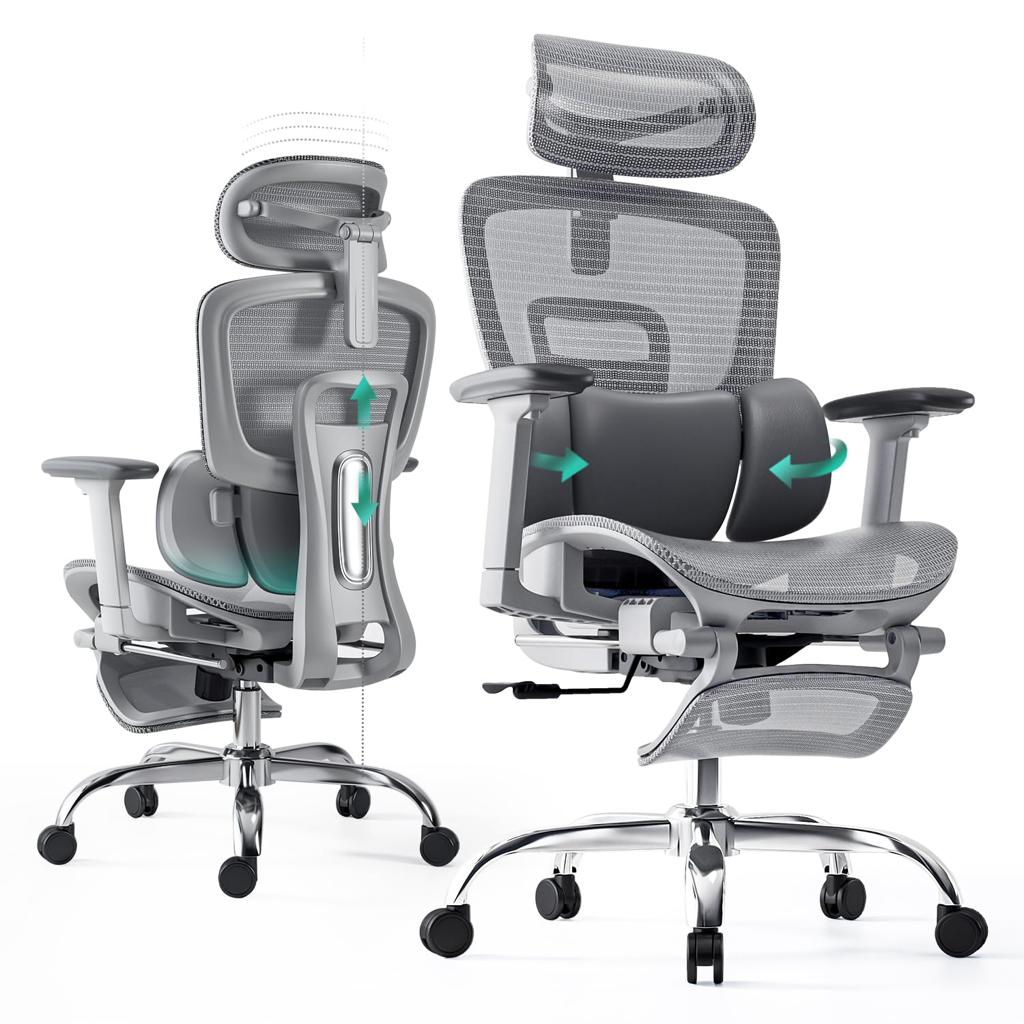
Why ergonomic office setups are worth obsessing over
A lot of people think “ergonomic” is just a fancy word marketers use to make regular furniture sound smarter. That is not really true.
Ergonomics is basically about designing your workspace so it fits your body instead of forcing your body to adapt to a bad setup. That includes chair height, lumbar support, desk height, monitor position, keyboard placement, and how often you change posture during the day.
A good ergonomic setup can help with:
reducing pressure on the lower back
improving posture over time
lowering strain in the neck and shoulders
increasing comfort during long work hours
reducing the number of times you get up feeling stiff and sore
making it easier to concentrate for longer periods
Now, let’s be realistic. No chair or desk will magically turn a bad routine into a perfect one. If you never stand up, never stretch, and sit like a shrimp all day, even the best chair in the world will not save you.
But the right setup can absolutely make your day feel better.
That is why people are willing to spend more on this category. They are not just buying furniture. They are buying a more usable workday.
What makes an office setup truly ergonomic?
A lot of shopping guides get this wrong. They just list expensive products and call them “best” without explaining why.
A real ergonomic setup should support five things:
1. Proper sitting posture
Your chair should help keep your spine in a neutral position. That usually means:
feet flat on the floor
knees roughly at a 90-degree angle
hips slightly above or level with knees
lower back supported
shoulders relaxed
2. Adjustable seating
One size does not fit all. The best chairs let you adjust:
seat height
armrest height
lumbar support
backrest tilt
seat depth
3. Correct desk height
Your desk should let your elbows rest comfortably while typing. If the desk is too high, your shoulders rise. If it is too low, you hunch forward.
4. Screen alignment
Your monitor should ideally be at eye level so you are not constantly bending your neck forward or looking down.
5. Movement
A great setup is not one that freezes you in place. It is one that makes it easy to switch positions, stand occasionally, and avoid staying in one posture for too long.
This is why a chair alone is not the whole story. A standing desk or desk riser can make a massive difference, especially for people working long hours.
Best ergonomic office setup for US workers in 2026
If I had to build the most practical and effective setup for a typical US remote worker, I would split it into three categories:
Best overall setup
A high-quality ergonomic chair + electric standing desk + monitor at eye level + keyboard/mouse positioned comfortably.
Best budget setup
A supportive mid-range ergonomic chair + fixed desk + monitor stand + footrest.
Best productivity setup
Standing desk + ergonomic chair + laptop stand + external keyboard + external mouse.
Each one works, but the best option depends on budget and how many hours someone sits daily.
If you sit for long periods every day, the standing desk is not a luxury anymore. It is a quality-of-life upgrade.
The chair: the heart of the setup
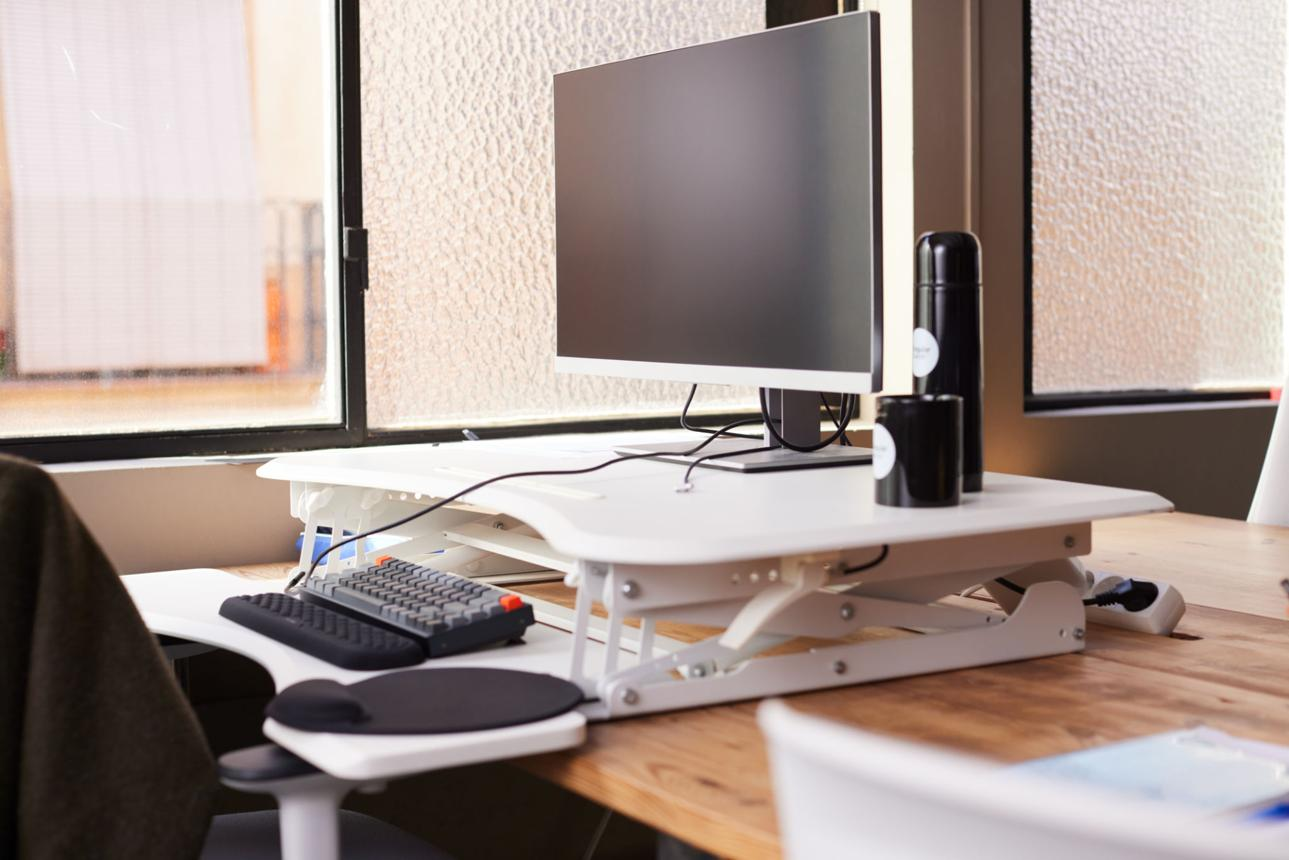
The chair is where most of the money should go.
A lot of people make the mistake of buying a cheap chair and then trying to “fix” it with pillows, cushions, and random hacks. That usually turns into a weird pile of temporary solutions.
The right chair should do the job cleanly.
What to look for in a good ergonomic chair
Here are the features that matter most:
Adjustable lumbar support
This is one of the most important things. The lower back has a natural curve, and lumbar support helps maintain it.
Good seat cushion
If the seat is too hard, sitting becomes miserable. If it is too soft, you sink too much and lose support.
Breathable backrest
Mesh backs are popular for a reason. They help with airflow and reduce sweat during long sessions.
Armrest adjustability
Armrests should help your shoulders relax, not push them upward.
Recline and tilt tension
A chair that can tilt and recline lets you shift positions instead of locking you into one angle all day.
Proper height range
The chair should fit your desk and your body. If it is too tall or too short, the rest of your setup gets messy.
Best chair types for different users
1. Premium ergonomic chairs
These are for people who work long hours and want serious comfort. They usually come with more adjustability, better build quality, and more durable materials.
Best for:
full-time remote workers
developers
writers
designers
people with back discomfort
buyers who want a long-term investment
2. Mid-range ergonomic chairs
These are usually the sweet spot. They may not have every premium feature, but they offer a strong balance of comfort and price.
Best for:
students
freelancers
office workers
people setting up a home office on a realistic budget
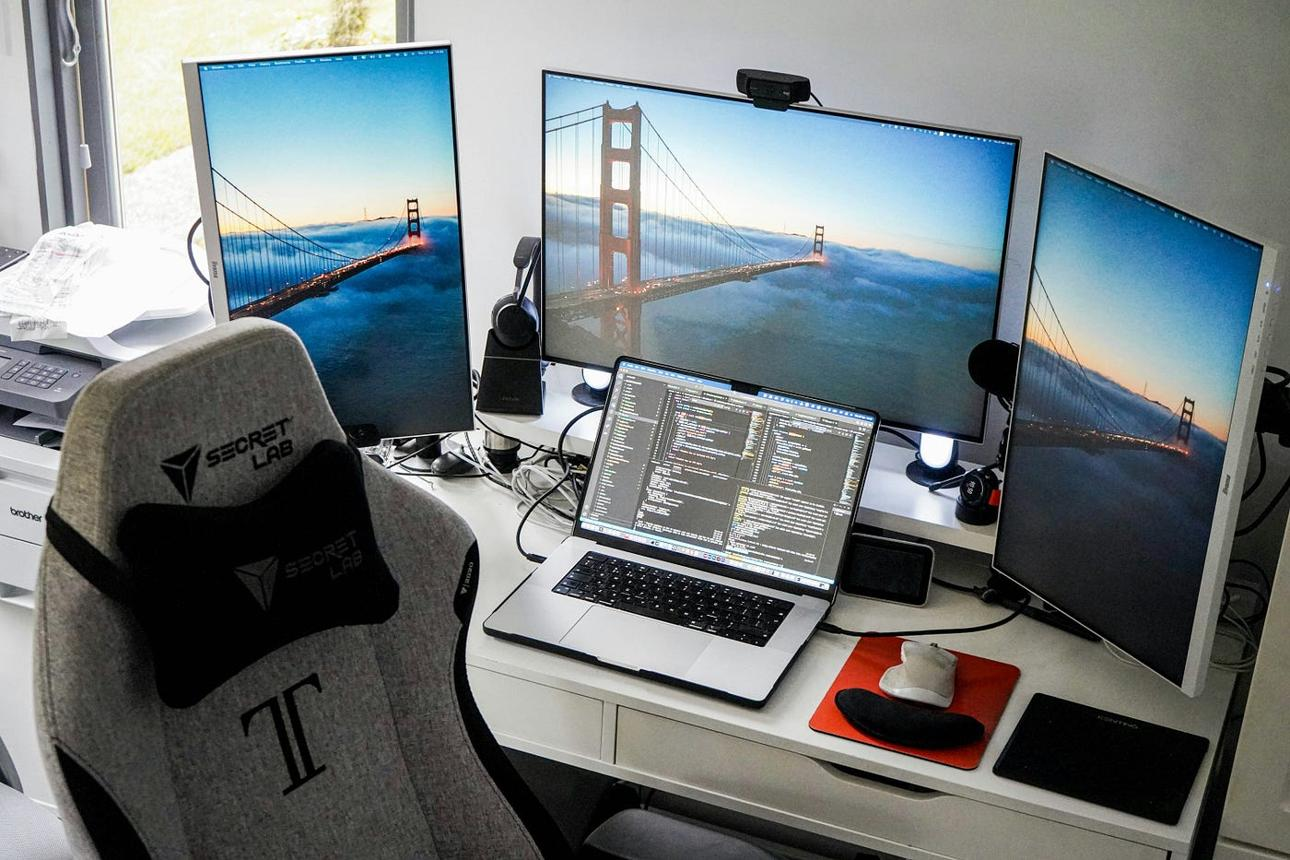
3. Budget ergonomic chairs
These can still work fine if you choose carefully. The key is to avoid designs that look “office-like” but actually provide poor support.
Best for:
beginners
smaller budgets
temporary setups
spare rooms or part-time home offices
The standing desk: the upgrade people underestimate
A standing desk is one of the biggest comfort improvements you can make.
Why? Because even a good chair cannot solve the problem of sitting for too long. Your body needs movement. Alternating between sitting and standing during the day helps reduce stiffness and keeps the workday from feeling like one long block of pressure.
What makes a standing desk worth buying?
Look for:
electric height adjustment
stable frame
enough width for monitor + laptop + accessories
decent weight capacity
smooth motion
memory presets if possible
Why standing desks matter for productivity
Standing desks are popular because they help break the “stuck” feeling that comes with long sitting sessions. Many people feel more alert when they change posture during the day. Even if they do not stand for hours, the ability to alternate positions is the real win.
The best use case is not “stand all day.” It is “sit, stand, switch, repeat.”
That rhythm is easier on the body and often easier on the brain too.
Desk accessories that make a huge difference
A lot of people waste money on giant decorative setups and forget the little things that actually matter.
Here are the accessories that can make an ordinary setup much better:
Monitor stand or arm
Raises your screen to eye level and helps reduce neck strain.
Laptop stand
A must-have if you work from a laptop for long periods. It prevents the classic hunched posture.
External keyboard
This pairs with a laptop stand so your arms and shoulders stay in a natural position.
External mouse
More comfortable than using a trackpad all day.
Footrest
Useful if your feet do not rest properly on the floor.
Wrist rest
Can help reduce discomfort for some users, especially during long typing sessions.
Desk mat
Adds comfort and makes the workspace feel more organized.
Cable management tools
Not glamorous, but surprisingly important for a clean, functional setup.
These items are not exciting, but they are the difference between “looks nice in a photo” and “feels good every day.”
Best ergonomic office setup on a budget
Not everyone wants to spend a fortune, and honestly, you do not have to.
A smart budget setup might look like this:
a comfortable ergonomic chair with basic lumbar support
a fixed-height desk that is the right size
a monitor stand or laptop stand
an external keyboard and mouse
a footrest if needed
This setup can work very well if it is arranged properly.
The mistake people make is buying random pieces without thinking about the whole posture chain. If your chair is okay but your screen is too low, your neck still suffers. If your desk is too high, your shoulders still tense up.
The goal is not expensive furniture. The goal is alignment.
Best ergonomic office setup for tall people
Tall users often struggle with chairs and desks that are clearly built for average sizes.
A good setup for taller people should include:
a chair with a higher seat range
deeper seat depth
taller backrest
adjustable armrests
a desk with enough legroom
monitor height adjusted properly
Tall people often have a harder time finding chairs that support the thighs without cutting off circulation or forcing them into a cramped position. For them, seat depth and height range matter more than some of the flashy features.
Best ergonomic office setup for short people
Shorter users also run into problems, especially with chairs that are too tall or desks that sit too high.
A good setup for shorter users should include:
a chair with a lower minimum seat height
adjustable lumbar support
a footrest if feet do not touch the floor
a desk height that does not force shoulder strain
monitor positioned correctly
The key issue here is scale. A chair can be “ergonomic” on paper but still be wrong for the user’s height.
Best ergonomic setup for back pain
If someone is shopping because they already have back pain, then comfort and support matter more than hype.
A setup for back pain should focus on:
lumbar support
seat cushioning
recline functionality
good posture alignment
regular position changes
desk and monitor height that reduce forward leaning
The chair should support the spine, not flatten it. But just as important is the habit of moving. No ergonomic chair is meant to turn sitting into a zero-effort activity forever.
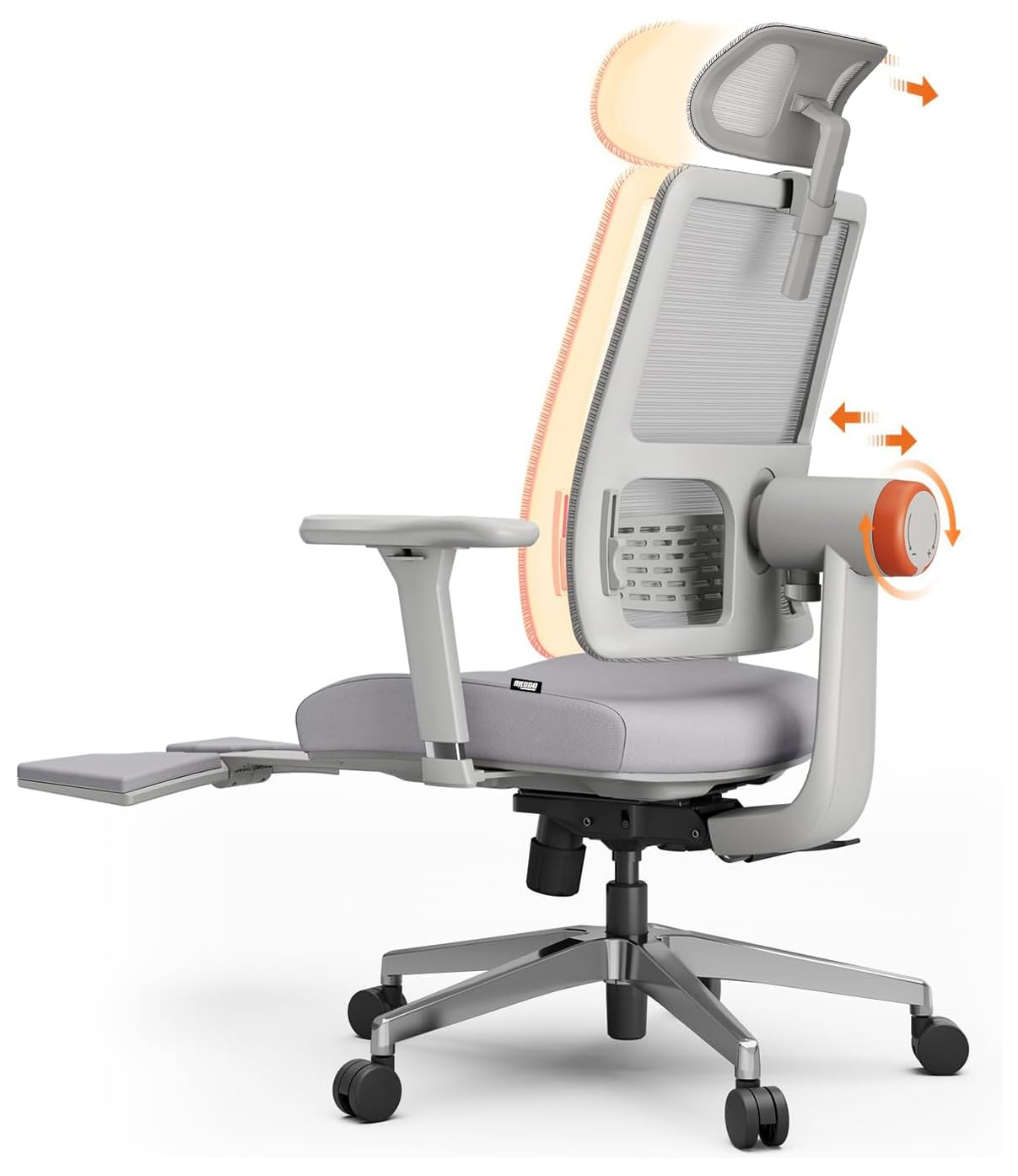
The best way to rank ergonomic products in a review blog
If you are creating a blog post around this topic, do not just say “this is the best.” Show your readers how you are judging products.
A strong review structure could be:
Category 1: Best overall
The most balanced option for most buyers.
Category 2: Best premium pick
The most advanced chair or desk for buyers willing to spend more.
Category 3: Best budget pick
A solid product that gives the most value for the price.
Category 4: Best for back pain
A chair or desk setup with comfort as the top priority.
Category 5: Best for small spaces
Compact products that fit apartments and tight home office corners.
Category 6: Best for productivity
A setup designed for long work days, deep focus, and posture changes.
This structure works very well for SEO and affiliate sales because different users identify with different problems.
Example comparison table for your blog
CategoryBest ForPrice RangeWhy It MattersPremium ergonomic chairLong-term comfortHighBetter adjustability and durabilityMid-range chairBest valueMediumSolid comfort without overspendingStanding deskPosture and movementMedium to highHelps reduce sitting fatigueMonitor standNeck comfortLowSimple but highly effectiveLaptop standBetter typing postureLowPrevents hunchingFootrestLeg and lower-body comfortLowImproves posture for shorter users
This kind of table makes the post easier to scan and more useful for readers.
How to write a review that feels real
One reason some blogs fail is because they sound copied, generic, or too polished.
People trust content that feels grounded.
Instead of saying:
“Product X is an excellent ergonomic chair with superior design.”
Say something like:
“If you sit for long hours and your lower back starts complaining by 3 p.m., the right chair can feel like a huge relief. What matters most is whether the chair keeps you supported without making you feel trapped.”
That feels more human.
When you are writing for affiliate traffic, your goal is not just to describe products. Your goal is to help the reader imagine what their life will feel like after buying it.
That is what drives clicks.
Sample “best pick” style recommendations
Here is the kind of phrasing that works well in an article:
Best overall
Choose the chair or setup that balances comfort, adjustability, and everyday usability. This should be the pick most readers can buy without overthinking it.
Best budget option
Choose a product that covers the basics well, especially lumbar support and seat comfort. It may not have every premium feature, but it should still feel good to use.
Best for long workdays
Choose a chair with excellent adjustability and a standing desk that makes it easy to switch positions throughout the day.
Best for small spaces
Choose a compact desk and a chair that fits under it easily. This matters more than people think.
This style helps readers make decisions quickly, which is exactly what you want in a monetized blog.
What US buyers care about most
If your audience is in the US, these are the details they usually care about:
comfort during long work hours
posture and back support
durability
return policy
shipping convenience
brand reputation
warranty
value for money
real user feedback
Many buyers do not want to read 2,000 words of theory. They want to know:
“What should I buy, why, and is it worth the money?”
That is why comparison-driven articles often perform well.
Why this niche is good for affiliate income
This is one of the better affiliate niches because it has:
1. High purchase value
Chairs and desks are more expensive than random low-cost gadgets, which means commission potential is better.
2. Real buyer intent
People searching for ergonomic setups are often already close to buying.
3. Broad audience
Remote workers, students, freelancers, gamers, creators, and office professionals all fit this niche.
4. Repeat interest
Once someone improves one part of their workspace, they often buy more accessories too.
5. Multiple content angles
You can make blog posts about:
best chairs
best standing desks
best desk accessories
best setups for small rooms
best budget home office setups
best posture upgrades
That gives your site a lot of room to grow.
Common mistakes people make when buying ergonomic office products
Mistake 1: Buying based on looks
A sleek chair is not automatically a good chair.
Mistake 2: Ignoring adjustability
If the chair cannot adapt to your body, it is not much help.
Mistake 3: Skipping the desk setup
A good chair on a bad desk is still a bad setup.
Mistake 4: Forgetting screen height
Neck strain often comes from the monitor being too low.
Mistake 5: Not moving enough
Even the best setup still needs movement breaks.
Mistake 6: Buying too many random accessories
Some upgrades matter. Others are just clutter.
How to make this blog post rank better
A blog post like this can rank better if it includes:
a clear title with strong keywords
an opening that addresses pain points directly
comparison tables
product recommendations by use case
FAQs
internal links to related posts
natural affiliate placement
authentic tone
practical advice
You should also include phrases that people in the US actually search for, such as:
best ergonomic office chair
best standing desk for home office
ergonomic desk setup
back pain office chair
home office setup for remote work
best office chair for long hours
desk setup ideas for productivity
FAQ
Is a standing desk better than a regular desk?
A standing desk is not automatically better for everyone, but it is better for movement. The real benefit comes from being able to alternate between sitting and standing.
Do ergonomic chairs really help with back pain?
They can help reduce discomfort and improve posture, especially when used with a proper desk and monitor setup. But they are not a medical cure.
What is the most important part of an ergonomic setup?
The chair and desk height matter most, followed closely by monitor alignment and movement habits.
Is it worth buying a premium ergonomic chair?
If you sit for long hours every day, yes, it can be worth it. Comfort and support often improve a lot when you move up in quality.
Can I build a good setup on a budget?
Absolutely. A good chair, proper monitor height, and basic accessories can make a huge difference even without a huge budget.
Should I use a laptop without a stand?
For long sessions, it is better to raise the laptop and use an external keyboard and mouse so your posture stays more natural.
Final verdict: what is the best ergonomic office setup?
The best ergonomic office setup is not one single product. It is a system.
For most people, the strongest setup is:
a supportive ergonomic chair
an adjustable standing desk
a monitor placed at eye level
external keyboard and mouse
simple accessories that improve posture and comfort
regular movement throughout the day
That is the setup that solves the actual problem.
It is not about looking like a YouTube office tour. It is about feeling better while you work, staying focused longer, and finishing the day without your body feeling wrecked.
If you are writing a blog around this niche, that is the angle to take. Do not just review furniture. Review the experience of working better.
That is what gets clicks, trust, and conversions.
And that is what turns a simple blog into something that can actually earn.
